Why Your Contracting Business Can't Run Without You (And What to Do About It)
Owner-dependent contracting businesses sell for roughly half as much. Here's why, and what building real systems and SOPs actually looks like.
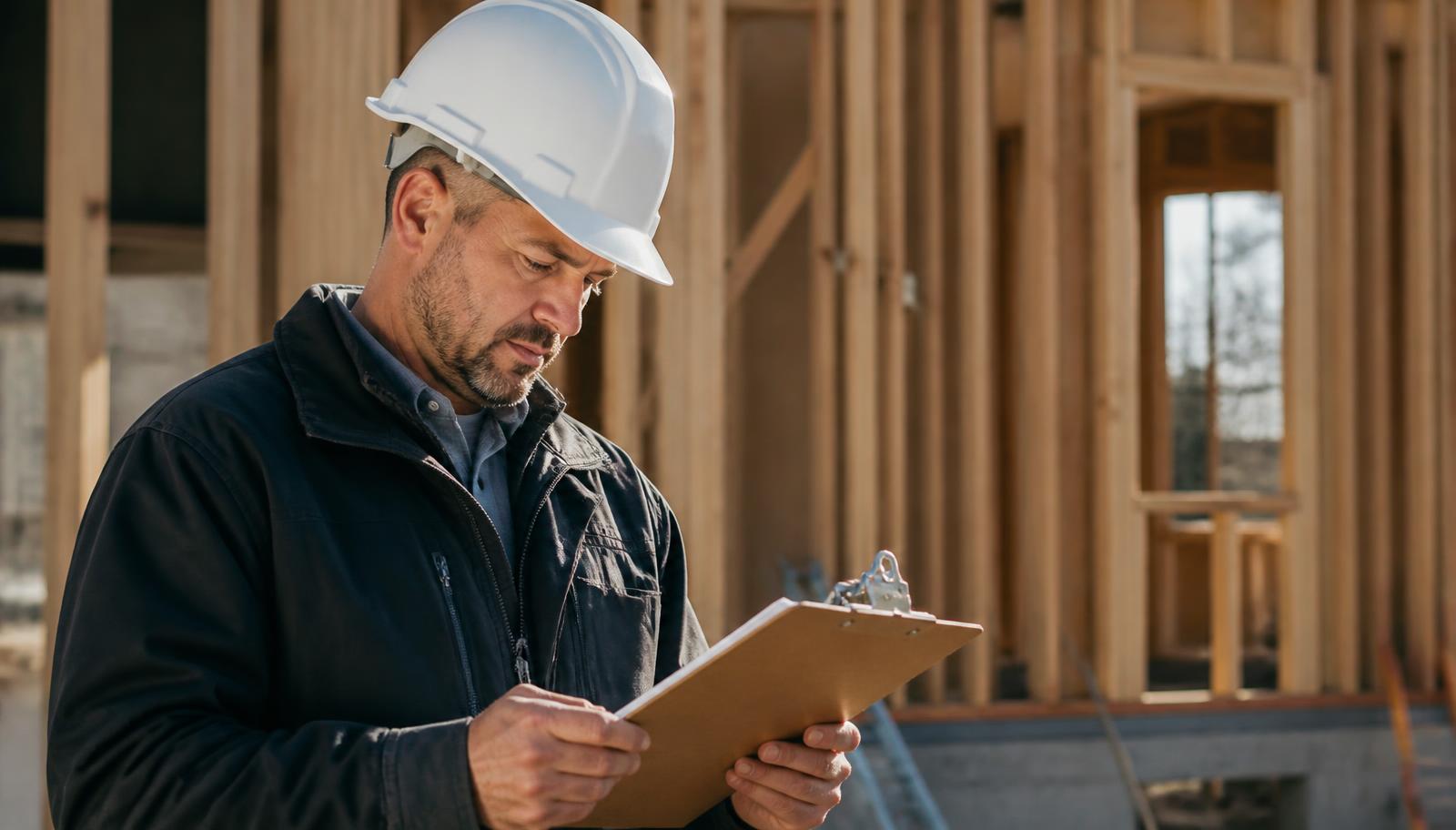
Quick answer: Businesses that depend entirely on the owner sell for roughly half as much as ones that can run without them — often around 2.93x profit versus 4.49x for a business with real systems in place. Beyond the eventual sale, owner dependency is also why nearly 40% of small business owners haven’t taken a full week off in over a year. The fix is documented project-start processes, clear communication systems, and real documentation — not working harder.
Ask most contracting business owners how a job starts, and you’ll get an answer specific to them personally. Ask their second crew lead the same question, and you’ll often get a different answer. That gap — between how the owner does things and how everyone else does things when the owner isn’t there — is usually the single biggest thing holding a trades business back from growing past what one person can carry.
The number that should change how you think about this
If you ever plan to sell your business, or even just want it to be worth something on paper, this number matters: businesses where the owner personally knows every customer and holds the operational knowledge in their head sell for roughly 2.93 times pre-tax profit. Businesses that can run without the owner sell for roughly 4.49 times the same profit. Same earnings. Nearly double the value.
That’s not a small gap, and it doesn’t close overnight — building the kind of documented systems that make a business sellable typically takes a year or more. Which means the businesses that start now are the ones that actually have the option to sell, scale, or step back later. The ones that wait are stuck holding a job, not an asset.
It’s not just about selling someday
The valuation number gets attention, but the more immediate cost is personal. Nearly 40% of small business owners haven’t taken a full, consecutive week off in over a year, and most of the ones who do still end up working during it. That’s not dedication — it’s a business with no systems, where nothing runs unless the owner is personally running it.
In construction specifically, this shows up as burnout at a higher rate than most industries. The common thread across all of it is the same: when nothing is written down, everything depends on one person being available, all the time.
Where this actually costs money, not just time
Poor communication and undocumented process aren’t just a quality-of-life problem — they show up directly on the bottom line. Coordination issues on a job — unclear scope, miscommunication between office and field, no consistent process for handling a change order — have been shown to erode close to 10% of a contracting company’s annual profit margin. A third of contractors point to coordination problems as the root cause of their quality issues.
None of that requires a bigger crew or more expensive tools to fix. It requires a documented process for how a job starts, how changes get communicated, and how information gets handed off between the office and the field.
What building real systems actually looks like
This doesn’t mean turning your business into a corporate operation with binders nobody reads. It means a small number of specific, practical documents:
- A project-start SOP — the same walkthrough, the same documentation, the same client communication, every time, regardless of who’s running the job.
- A communication protocol — a defined way changes, delays, and updates get communicated to the client, so nothing depends on someone remembering to make a phone call.
- Documentation — the institutional knowledge that currently lives only in your head, written down somewhere a new hire or a covering crew lead can actually find it.
The test for whether this is working: could someone else run a job correctly if you were unreachable for a week? If the honest answer is no, that’s the gap worth closing first.
The bottom line
A trades business that depends entirely on its owner isn’t really a business yet — it’s a very demanding job with better tools. The fix isn’t working harder or hiring more people. It’s writing down the process that’s currently only in your head, so the business can actually function, grow, and eventually be worth something, whether or not you ever plan to sell it.
Free resource
The Contractor's Google Review Scorecard
Get the Google Review Scorecard — a shareable resource that turns finished jobs into a steady stream of reviews.
Download the scorecardFrequently asked questions
- Why do owner-dependent businesses sell for less?
- Buyers pay less for a business that can't operate without its current owner because that dependency represents risk. Businesses with documented systems and processes that don't rely on one person sell for a meaningfully higher multiple of profit.
- What's the difference between a project-start SOP and general documentation?
- A project-start SOP is a specific, repeatable process for how every job begins. Documentation is broader, covering anything about how the business operates that currently exists only in someone's memory.
- How long does it take to build real systems and processes in a business?
- Meaningfully reducing owner dependency typically takes a year or more, since it involves documenting processes, testing that others can follow them, and adjusting based on what works in practice.
- Does building SOPs mean turning a small business into a big corporate operation?
- No. Effective systems for a trades business are usually a small number of specific, practical documents covering how a job starts, how changes are communicated, and where key information is recorded.
- Can a small contracting business really run without the owner?
- Not entirely, and not immediately, but the goal is reducing dependency to the point where a week away doesn't create a crisis and growth doesn't require the owner to personally oversee every job.